
1-805-484-2992
Quotes - Engineering - SalesCompressed Air Treatment with IPAC Equipment
A compressor does two things to the air it takes in: it heats it, and it concentrates the water vapour that was already there. Air at 100 PSIG holds roughly one-eighth the water of free air at the same temperature, so everything above that limit condenses somewhere downstream - in the receiver, in the header, in the tools, or in the product. The purpose of aftercooling is to make that condensation happen in one place, on purpose, where it can be removed.
Why compressed air is aftercooled, how much water it removes, and how to choose between IPAC air-cooled A Series and water-cooled 51 and 59 Series units. Read the Compressed Air Aftercooling page »
How a centrifugal separator removes the condensate an aftercooler produces, and how IPAC horizontal and vertical separators are matched to each aftercooler. Read the Moisture Separation page »
Why a separator needs an automatic drain trap, how the IPAC SAC float trap works, and which trap goes with which aftercooler and separator. Read the Condensate Drainage page »
IPAC and HiROSS aftercoolers, separators and drain traps were fitted to compressor packages as original equipment. How to identify the unit from its nameplate and order the current equivalent. Read the Compressor Package Replacement page »
Five figures settle most selections. compressor capacity in SCFM and discharge pressure; discharge air temperature (or compressor type and stages); cooling water inlet temperature, or the room ambient for an air-cooled unit; required outlet air temperature; design pressure and any code stamp required. Call 1-805-484-2992.
Compressed air treatment starts at the compressor discharge, not at the dryer.
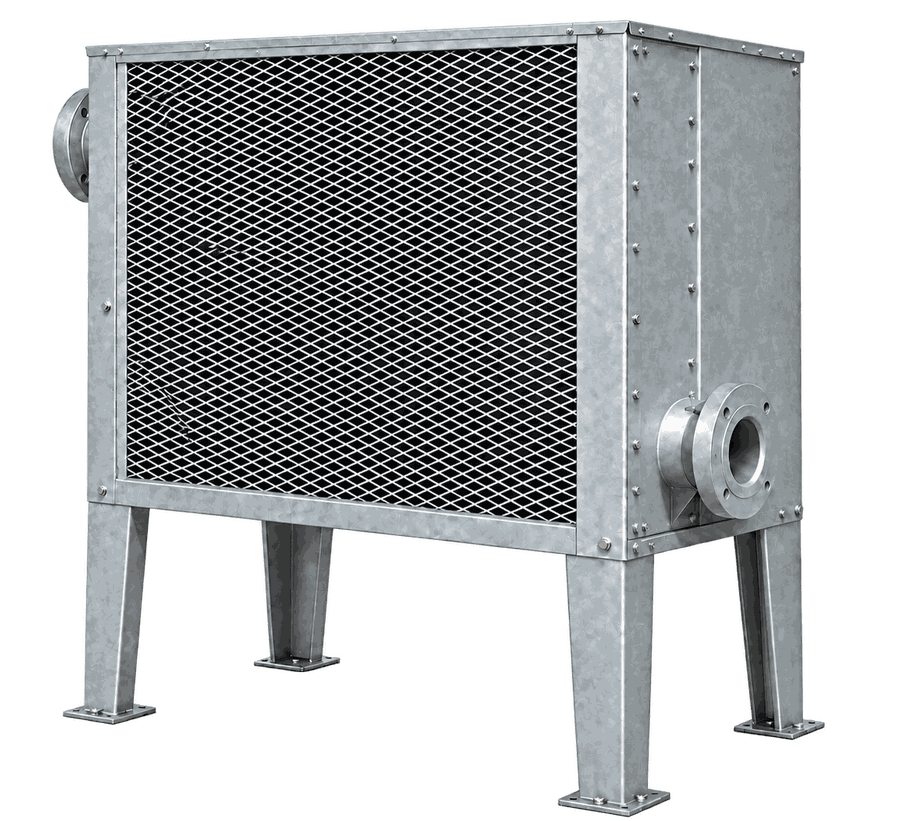
Compressed Air Treatment: the Pages in This Section

Compressed Air Applications
The aftercooler, separator and trap are sized as a train, and the same five figures size all three. This section walks the air from the compressor discharge to the receiver, then covers the reason most enquiries arrive: a unit on a compressor package that needs replacing.
Built as a Set
IPAC's compressed air line is built as a set. The aftercooler - air-cooled A Series or water-cooled 51 and 59 Series - drops the discharge temperature by 150°F or more and condenses most of the water. The centrifugal separator immediately downstream spins the condensate out of the air stream. The SAC drain trap empties the separator sump without losing air. Every aftercooler part number carries a recommended separator and trap, so the three can be ordered as a matched package.
Approach Temperature Is Worth Money
The colder the air leaves the aftercooler, the more water has already dropped out in the separator and the less the dryer has to do. With 80°F water a 51 Series unit delivers air at 95 to 100°F; a 59 Series at 85 to 90°F, and that difference roughly halves the vapour the dryer sees.
The Separator and Trap Are Not Accessories
An aftercooler condenses water; it does not remove it. Without a separator directly downstream and a working trap beneath it, the condensate re-evaporates or travels down the line. Every IPAC aftercooler part number names its matched separator and trap for that reason.
IPAC Ranges for Compressed Air Treatment
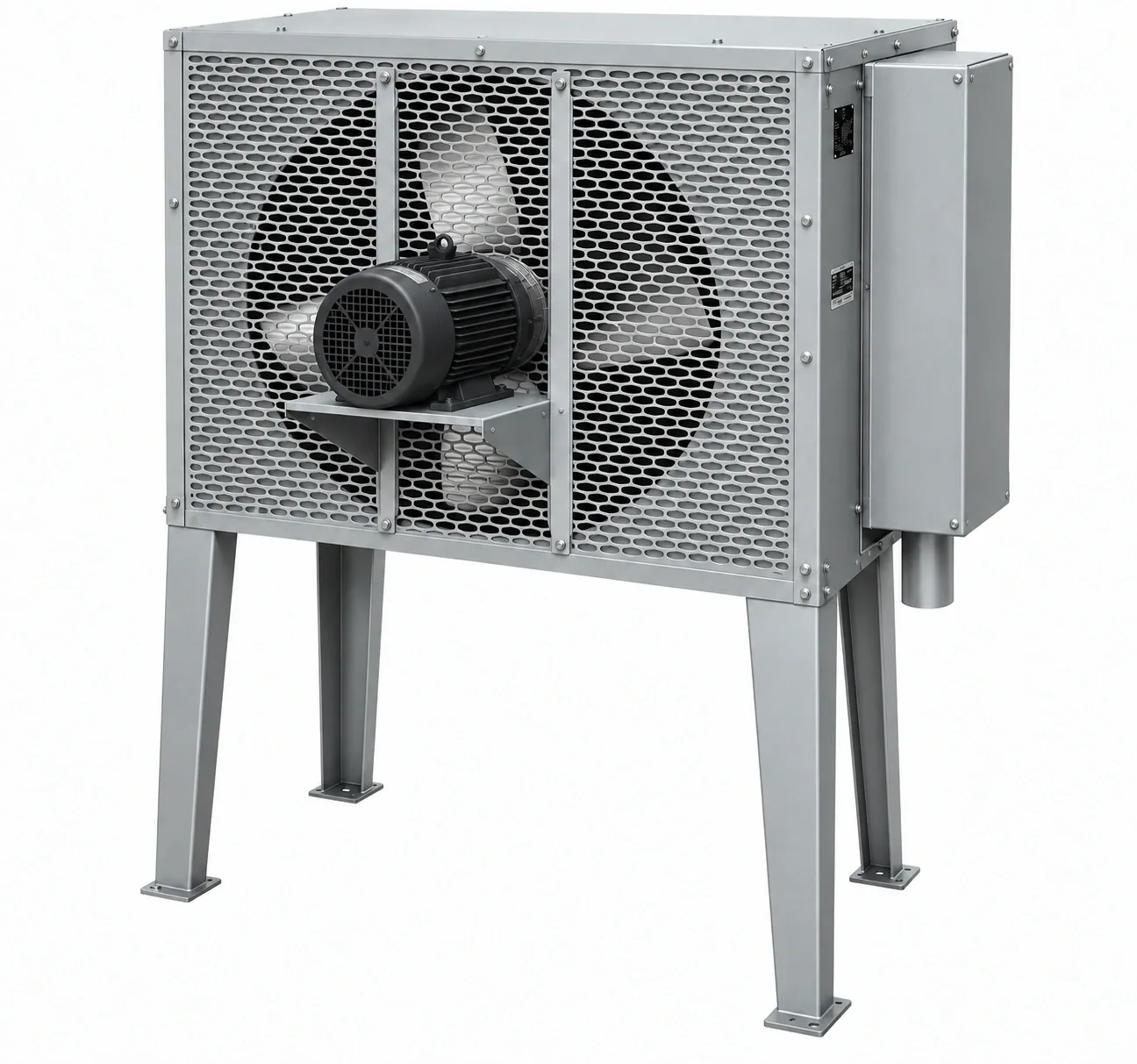
SERIES • AFTERCOOLER
Air-Cooled Aftercoolers
Fifteen catalogued sizes from 30 to 2,800 SCFM, matched to compressors from 5 to 700 horsepower.
+ Learn More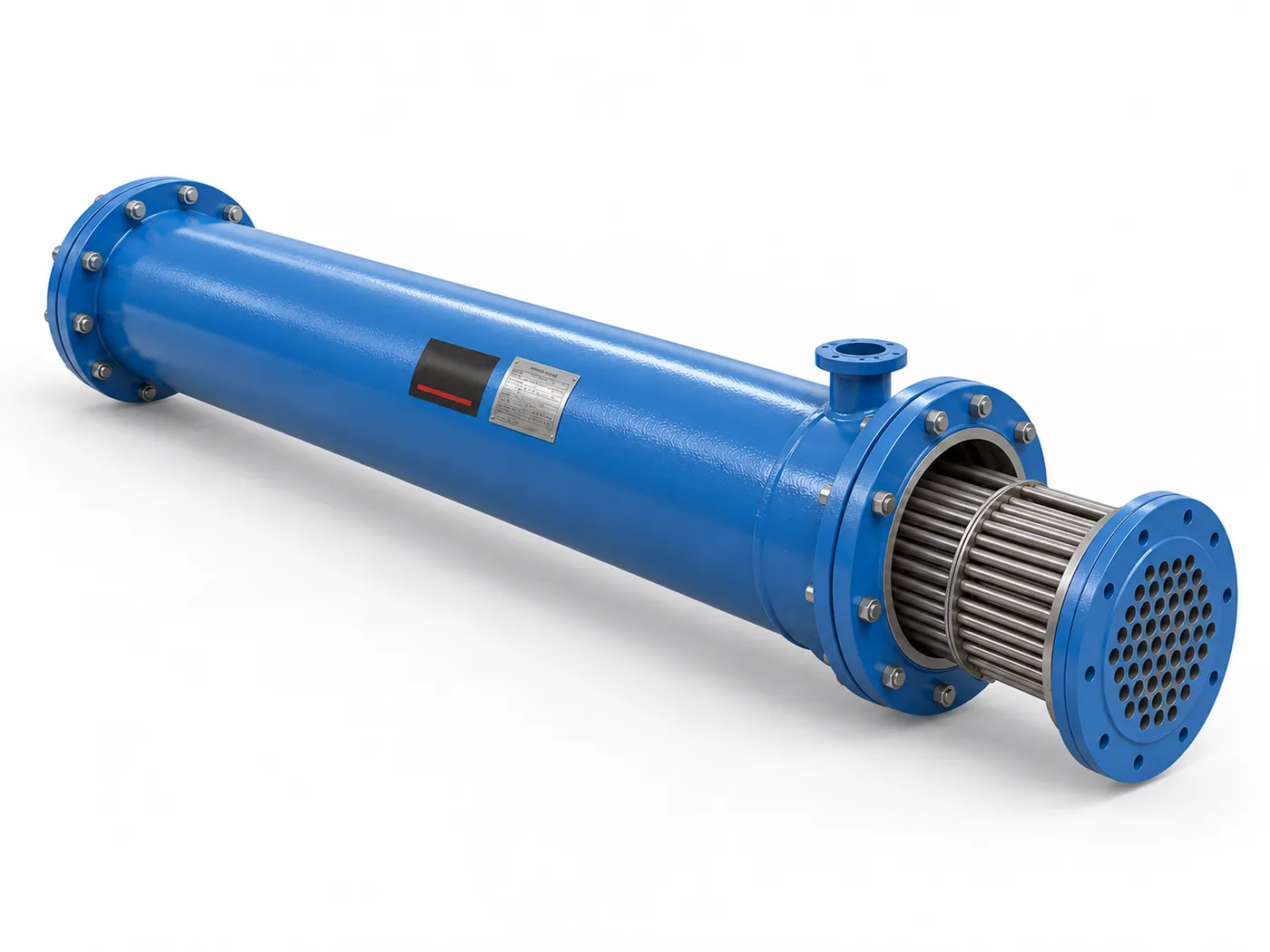
SERIES • AFTERCOOLER
Water-Cooled 51 Series
Fifteen shell and tube models from 38 to 4,785 SCFM, all 51-1/8 inches long.
+ Learn More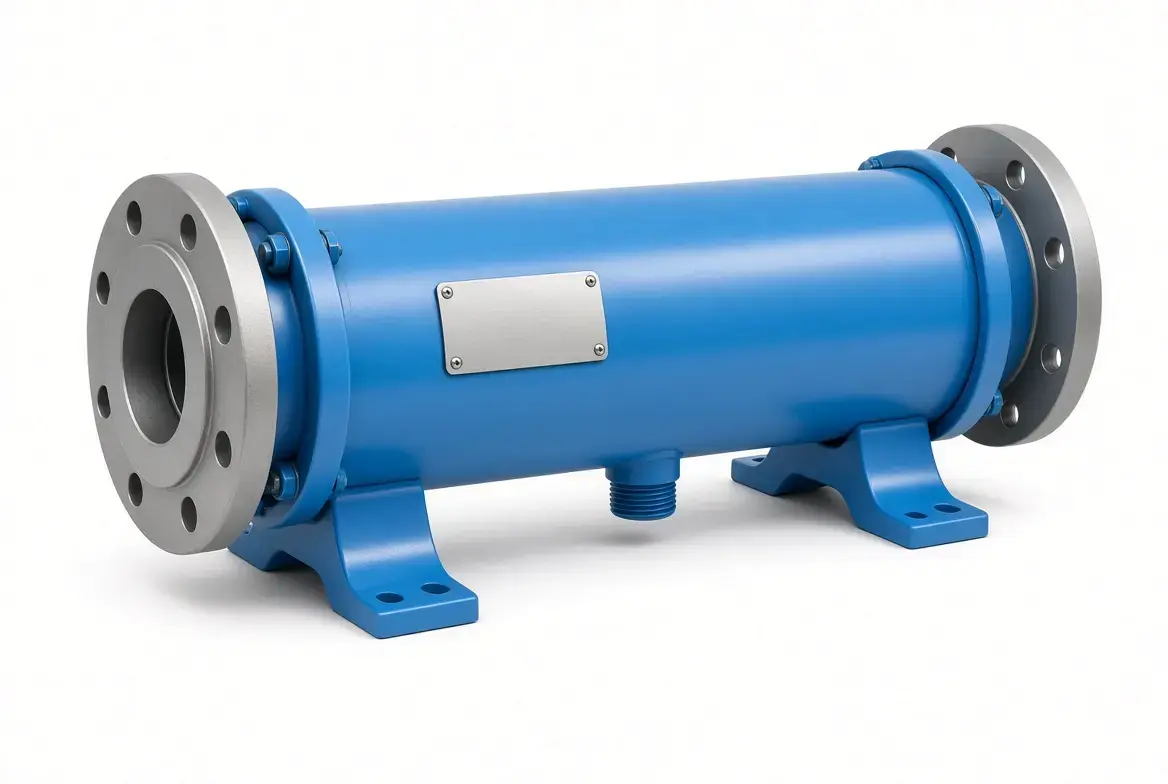
SERIES • SEPARATOR
Horizontal Separators
Sixteen current sizes from 127 to 25,000 SCFM, plus the three HiROSS-era cast units they replaced.
+ Learn More